
QuickBooks Error 1903 is Window MSI (Microsoft Installer) runtime error that fires during the installation or update sequence of QuickBooks Desktop when the installer process attempts to access, register, or initialize a required system level component- and fails.
Since Quickbooks depends heavily on Window based components during installation, even a minor corruption in system files or security restrictions can stop the setup midway and trigger error 1903. Users may also notice installation freezes, repeated restart prompts, system slowdown, or failed Quickbooks updates alongside the error.
This Quickbooks installation error can become a major obstacle for businesses that rely on uninterrupted accounting access, payroll processing, invoicing, and financial reporting. Ignoring the error may lead to other window programs getting affected.
The full error message typically reads:
“Error 1903: QuickBooks installation failed. Windows Installer is not properly registered.”
This message indicates that Quickbooks is unable to properly configure the essential Microsoft program required for installation. In most cases, the issue is linked to corrupted .NET Framework, MSXML files, Window Installer interruptions, or permission-related conflicts within the system.
To understand why this matters, you need to understand how QuickBooks installs. When you launch the QuickBooks Desktop installer (QuickBooksDesktop[year].exe)), it does not work in isolation. It calls on Windows to:
- Verify and load Microsoft .NET Framework (used to render QuickBooks’ entire UI layer and manage background processes)
- Initialize MSXML (Microsoft XML Core Services) to read the QBRegistration. dat) file and validate your license
- Load Visual C++ Redistributable packages that QuickBooks’ core engine is compiled against
- Register DLL files into the Windows system directories
- Write entries into the Windows Registry under (HKEY_LOCAL_MACHINE \SOFTWARE\Intuit)
Error 1903 is thrown when Step 1, 2, 3, or the DLL registration phase (Step 4) encounters a component that is missing, version-mismatched, or corrupted. The Windows Installer engine halts the process immediately to avoid a partial, broken installation which is actually a protective behavior. The problem is that it doesn’t tell you which component failed.
This is why the error is classified as both an installation error and a runtime error: it occurs at runtime during the install sequence, not after QuickBooks is running.
Contents
- 1 One Critical Distinction: This Is a Windows Error, Not a QuickBooks Bug
- 2 What Error 1903 Looks Like in Practice?
- 3 Which QuickBooks Versions Are Affected?
- 4 Who Gets Hit by Error 1903 and Why It Happens?
- 5 Symptoms of QuickBooks Error 1903
- 6 Root Cause Analysis – QuickBooks Error 1903
- 7 Scenario-Based Troubleshooting Guide (Beginner to Advanced)
- 7.1 Scenario 1: First-Time Installation on a New or Recently Updated PC
- 7.2 Scenario 2: Error After Upgrading QuickBooks or Windows
- 7.3 Scenario 3: Error Persists Despite Basic Fixes — Third-Party Interference Suspected Best starting point for:
- 7.4 Scenario 4: Nothing Has Worked – Advanced & Clean Install
- 8 Impact of Error 1903 on the Migration Process
- 9 Preventive Measures for QuickBooks Error 1903
- 10 Conclusion
- 11 FAQs
- 11.1 Q1. Does Error 1903 mean my QuickBooks installer is corrupt?
- 11.2 Q2. Will reinstalling QuickBooks alone fix Error 1903?
- 11.3 Q3. Why does Error 1903 appear only on one computer in my office?
- 11.4 Q4. Can antivirus software cause Error 1903?
- 11.5 Q5. Is Error 1903 linked to QuickBooks Online?
- 11.6 Q6. What’s the fastest fix for most users?
One Critical Distinction: This Is a Windows Error, Not a QuickBooks Bug
Many users assume Error 1903 means their QuickBooks download is corrupt or their license is invalid. Neither is typically true. The QuickBooks installer itself is usually fine. The problem lives in the Windows environment it is trying to install into. Your QuickBooks license, company files, and subscription are completely unaffected.
What Error 1903 Looks Like in Practice?
The error doesn’t always present identically. Depending on which component has failed and at what stage of installation the failure occurs, you may experience:
- The installer progress bar halting between 30-70% and never moving again, followed by an error dialog
- The installation appearing to complete successfully but QuickBooks crashing immediately when you try to open it
- A Windows spinning cursor that persists for several minutes before the installer exits with the 1903 error code
- Other Windows applications becoming slow or unresponsive around the same time (a sign
- of.NET Framework instability)
- The installer completing with error 1903 on one specific machine in an office, while the same installer works fine on others (a sign of machine-specific component corruption rather than an installer problem)
- Error 1903 appearing repeatedly after a Windows Update that altered .NET Framework settings
Each of these presentations points toward a slightly different root cause which is exactly why your troubleshooting path should be tailored, not generic.
Which QuickBooks Versions Are Affected?
QuickBooks Error 1903 has been documented across QuickBooks Desktop Pro, Premier, and Enterprise versions from 2016 through 2025. It appears on both Windows 10 and Windows 11. It is not specific to any single QuickBooks release because it originates in the Windows environment, not the software itself.
Who Gets Hit by Error 1903 and Why It Happens?
Error 1903 does not appear randomly. There is almost always an identifiable event that preceded it. Here are the most common user contexts in which this error surfaces:
- After a Windows Update: Microsoft periodically updates .NET Framework and other system components. In rare cases, these updates corrupt an existing component version rather than cleanly replacing it. If you notice Error 1903 appearing shortly after a Windows Update completed, this is the most likely culprit.
- During an upgrade from an older QuickBooks version: Older QuickBooks installations may leave behind residual DLL registrations or registry entries that conflict with the new installer’s expectations. The 1903 error fires when the new version tries to register a component that the old version has already partially claimed.
- On a machine that has had malware or been aggressively cleaned: Antivirus software and malware removal tools sometimes quarantine or delete system DLL files that they incorrectly flag as suspicious. MSXML and Visual C+ + redistributable files are particularly vulnerable to this.
- Fresh Windows install on older hardware: A bare Windows installation – especially one that skipped several Windows Update cycles may be missing entire versions of .NET Framework, since not all versions ship with Windows by default.
- In a corporate IT environment with Group Policy restrictions: Some Group Policy settings block third-party software from writing to certain system directories or registering DLLs, which causes the installer to fail at the component registration phase.
Understanding which of these contexts applies to you is the fastest way to select the right fix – which is exactly what the scenario-based troubleshooting section below is designed to help you do.
Symptoms of QuickBooks Error 1903
- Pop‑up message: “Error 1903” appears during installation or update.
- System freeze or sluggishness: Windows becomes unresponsive while QuickBooks setup runs.
- QuickBooks crash: Application shuts down abruptly during install/update.
- Installation failure: QuickBooks cannot complete setup, leaving the program unusable.
- Repeated error loop: Even after retrying installation, the same error reappears.
Root Cause Analysis – QuickBooks Error 1903
| Root Cause | Explanation | Impact on QuickBooks |
| Damaged .NET Framework | QuickBooks relies on Microsoft .NET for installation and runtime. Corruption or misconfiguration blocks installer. | Prevents QuickBooks components from registering properly. |
| Broken MSXML files | MSXML handles XML parsing for QuickBooks. If corrupted, installation scripts fail. | Causes installer to stop mid‑process. |
| Outdated Windows OS | Missing updates or unsupported versions lack required libraries. | QuickBooks installer cannot access updated system files. |
| Antivirus/Firewall interference | Security software blocks QuickBooks installers from modifying system files. | Installation halts or crashes. |
| Incomplete/Interrupted installation | Power failure, forced shutdown, or improper uninstall leaves residual files. | Conflicts with new installation attempts. |
| Corrupted Windows system files | Damaged registry entries or DLLs disrupt installer operations. | QuickBooks fails to launch after install. |
Scenario-Based Troubleshooting Guide (Beginner to Advanced)
Rather than a generic list of fixes, this section is organized by the scenario most likely affecting you. Each fix includes an estimated time so you can plan accordingly.
Scenario 1: First-Time Installation on a New or Recently Updated PC
Best starting point for: Users who never had QuickBooks on this machine, or who recently reinstalled Windows.
Fix 1: Run the QuickBooks Install Diagnostic Tool (via Tool Hub)
Skill Level: Beginner | Estimated Time: 15-25 minutes
This is the official, automated fix from Intuit and should always be your first step. The Install Diagnostic Tool automatically scans for and repairs issues with NET Framework, MSXML, and Visual C++ — all common causes of Error 1903.
Steps:
1. Download QuickBooks Tool Hub from the official Intuit website (search “QuickBooks Tool Hub download” on Intuit’s support site).
2. Press Ctrl + J to open your browser’s download folder.
3. Double-click QuickBooksToolHub.exe.
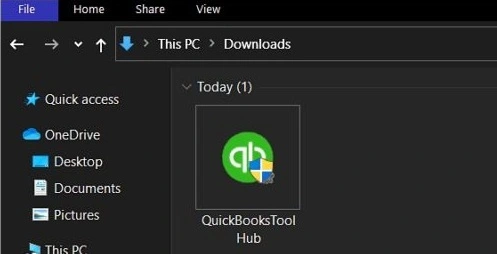
4. Click Yes when prompted for permissions, then follow the on-screen steps to install.
5. Open QuickBooks Tool Hub from your desktop.
6. Click the Installation Issues tab on the left.
7. Select QuickBooks Install Diagnostic Tool.
8. Let the tool run – this may take up to 20 minutes. Do not close the window.
9. Once complete, restart your computer and attempt the installation again.
Pro Tip: Always use the latest version of Tool Hub (1.6.0.5 as of 2025). Check the version on the Home tab of the Tool Hub under “About.”
Fix 2: Update Windows to the Latest Version
Skill Level: Beginner | Estimated Time: 10-30 minutes (varies by updates pending)
An outdated OS is one of the simplest and most overlooked causes of Error 1903.
Steps:
1. Right-click the Start button and select Settings.
2. Go to Update & Security → Windows Update.
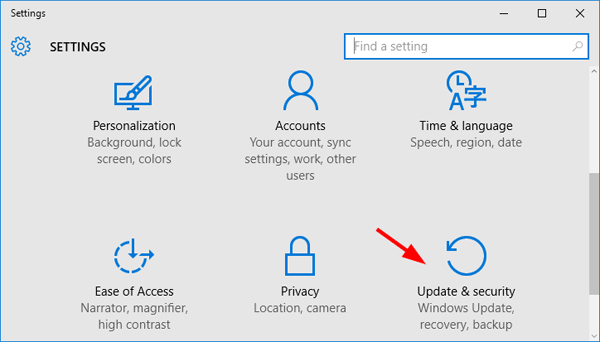
3. Click Check for Updates.
4. Allow all updates to download and install automatically.
5. Restart your computer and retry the QuickBooks installation.
Scenario 2: Error After Upgrading QuickBooks or Windows
Best starting point for: Users who previously had a working QuickBooks installation but are now seeing Error 1903 after a system or software upgrade.
Fix 3: Manually Repair Microsoft NET Framework
Skill Level: Intermediate | Estimated Time: 10-20 minutes
If the automated tool didn’t fix the issue, manually toggling.NET Framework often resolves stubborn component corruption.
Steps:
1. Press Windows + R and type Control), then press Enter.
2. Go to Programs → Programs and Features.
3. Click Turn Windows features on or off (left panel).
4. Uncheck Microsoft NET Framework 3.5 (and any later versions that appear).
5. Click OK and restart your computer.
6. Return to the same Windows Features window.
7. Re-check Microsoft.NET Framework 3.5, click OK, and follow any on-screen prompts.
8. Restart again, then retry the QuickBooks installation.
Fix 4: Repair or Reinstall MSXML
Skill Level: Intermediate | Estimated Time: 10-15 minutes
MSXML corruption is a frequently cited cause of Error 1903. This fix re-registers the MSXML DLL files so QuickBooks can read its configuration data.
For 64-bit Windows:
1. Click the Start menu and type cmd.
2. Right-click Command Prompt and select Run as Administrator.
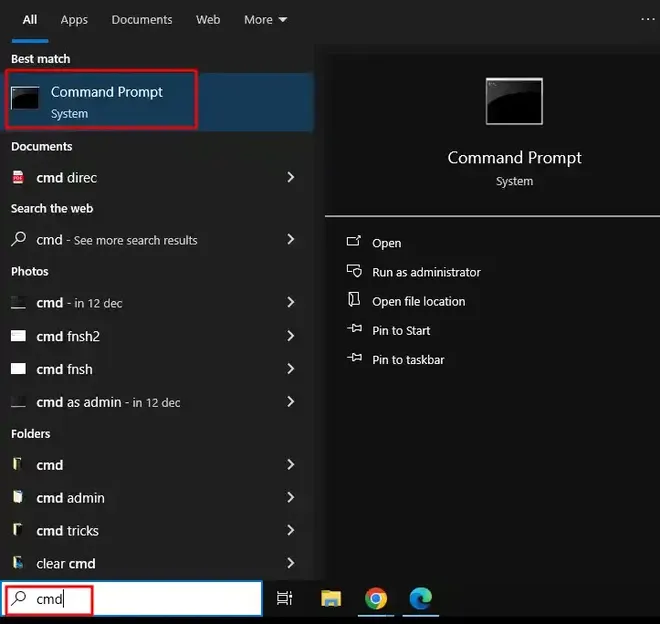
3. Tyреcd\windows\syswow64) and press Enter.
4. Type (regsvr32 MSXML6. d11) and press Enter.
5. You should see a success message. Close the prompt and retry the installation.
For 32-bit Windows:
1. Press Windows + R, type cmd, and run as Administrator.
2. Type (regsvr32 MSXML6. d11) and press Enter.
3. Retry the installation.
If re-registering doesn’t help, uninstall and reinstall MSXML 6.0:
1. Press Windows + R, type (appwiz cpl), and press Enter.
2. Find MSXMI 6.0 in the list, select it, and click Uninstall.
3. Download the MSXML installer from Microsoft’s official site.
4. Run the installer and restart your PC before retrying QuickBooks installation.
Scenario 3: Error Persists Despite Basic Fixes — Third-Party Interference Suspected Best starting point for:
Users who have tried the above fixes without success, especially if antivirus software, firewalls, or many startup programs are present.
Fix 5: Install QuickBooks in Selective Startup Mode
Skill Level: Intermediate | Estimated Time: 20-35 minutes
Selective Startup disables all third-party services and startup programs, isolating the installation environment so that external software cannot interfere.
Steps:
1. Press Windows + R, type msconfig, and press Enter.
2. Under the General tab, select Selective Startup.
3. Uncheck the box next to “Load startup items.”
4. Go to the Services tab. Check Hide all Microsoft services.
4. Go to the Services tab. Check Hide all Microsoft services.
5. Click Disable All.
6. Uncheck “Hide all Microsoft Services” again.
7. Scroll the list to find Windows Package Installer — make sure it is checked.
8. Click Apply, then OK.
9. Click Restart when prompted.
10. After restarting, uninstall QuickBooks (if partially installed) via Control Panel → Programs and Features.
11. Reinstall QuickBooks Desktop using your original installer or downloaded file.
12. After successful installation, restore normal startup: open msconfig again, select Normal Startup, click OK, and restart.
Important: Always return to Normal Startup after installation. Running indefinitely in Selective Startup can prevent other programs from functioning correctly.
Fix 6: Run a System File Checker (SFC) Scan
Skill Level: Intermediate | Estimated Time: 15-25 minutes
The Windows System File Checker scans for and restores corrupted system files that the QuickBooks installer may be trying to access.
Steps:
1. Click Start, search for Command Prompt.
2. Right-click and select Run as Administrator.
3. Type sfc / scannow and press Enter.
4. Wait for the scan to complete — do not close the window.
5. If corruptions were found and repaired, restart your computer and retry the QuickBooks installation.
Fix 7: Scan for Malware and Viruses
Skill Level: Beginner | Estimated Time: 20-60 minutes (varies by scan depth)
Malware can silently corrupt system DLLs and installer registry entries. Run a full system scan using your existing antivirus software or Windows Defender:
1. Open Windows Security from the Start menu.
2. Go to Virus & Threat Protection.
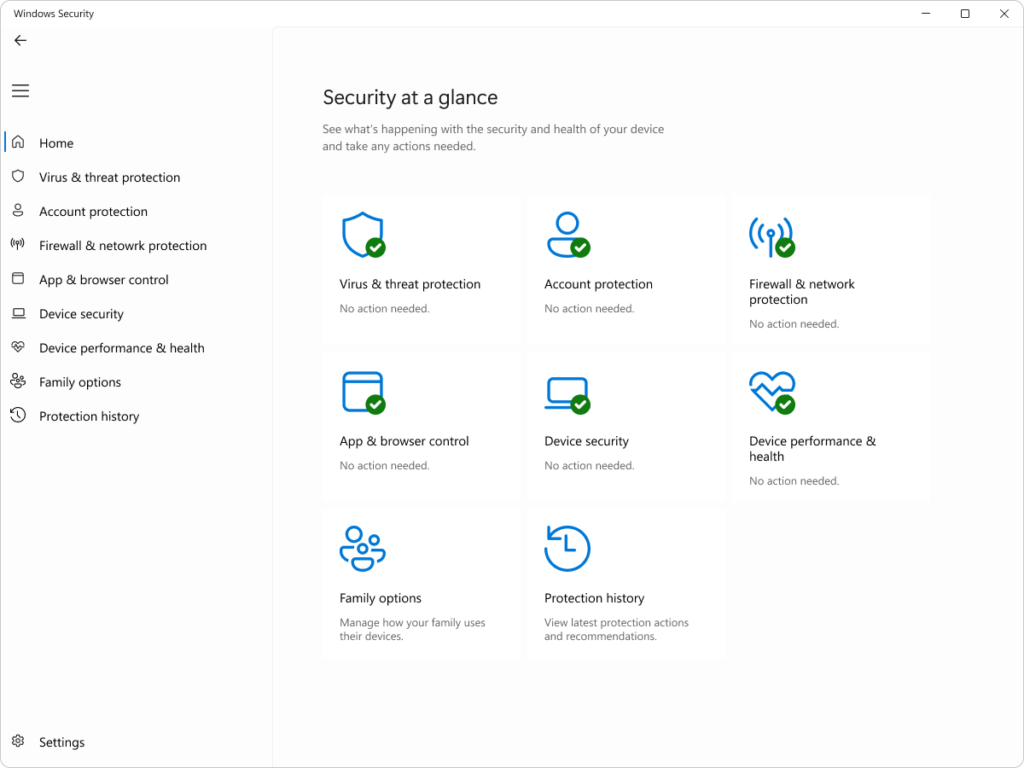
3. Click Scan Options and select Full Scan.
4. Click Scan Now and wait for completion.
5. Remove or quarantine any detected threats.
6. Restart and retry the QuickBooks installation.
Scenario 4: Nothing Has Worked – Advanced & Clean Install
Best starting point for: IT professionals, power users, or anyone for whom all previous fixes have failed and a fresh start is needed.
Fix 8: Perform a Clean Install of QuickBooks Desktop
Skill Level: Advanced | Estimated Time: 45-90 minutes
A clean install removes all traces of the previous QuickBooks installation before reinstalling fresh, eliminating any residual corrupted files.
Before you begin:
- Back up your QuickBooks company files (.QBW) to an external drive or cloud storage.
- Note your QuickBooks license number and product key (found on your original purchase email or the Intuit account portal).
Steps:
1. Go to Control Panel → Programs and Features.
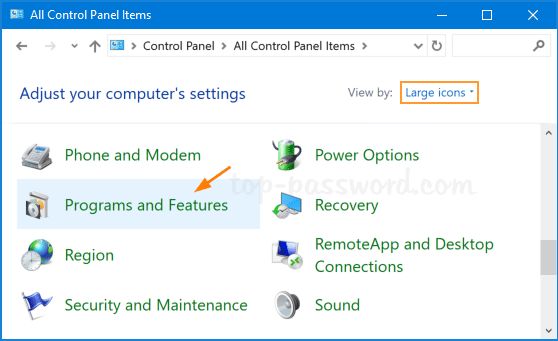
2. Select QuickBooks Desktop and click Uninstall/Change, then follow prompts to remove it.
3. After uninstallation, manually delete remaining QuickBooks folders. Common locations:
- C:\Program Files|Intuit|QuickBooks [Year]
- C: \Program Files (x86)\Intuit\QuickBooks [Year]
- C:\ProgramData\Intuit\QuickBooks [Year])
4. Press Windows + R, type (regedit), and press Enter.
5. Navigate to HKEY_LOCAL_MACHINE \SOFTWARE\Intuit) and delete the QuickBooks subkey.
(Caution: Back up the registry before making changes.)
6. Restart your computer.
7. Download a fresh installer from Intuit’s official download portal
8. Run the installer and complete setup using your license details.
• Registry editing carries risk: If you are not comfortable with this step, skip it and proceed with the reinstall – deleting registry entries manually is optional but thorough.
Fix 9: Reinstall Visual C++ Redistributables
Skill Level: Advanced | Estimated Time: 20-30 minutes
If the clean install still fails, missing or mismatched Visual C++ packages may be the issue.
Steps:
1. Open Control Panel → Programs and Features.
2. Look for all entries named Microsoft Visual C++ Redistributable and uninstall them.
3. Visit the Microsoft official download page for Visual C++ Redistributables.
4. Download and install both the x64 and x86 versions of the latest supported release.
5. Restart your computer and retry the QuickBooks installation.
Impact of Error 1903 on the Migration Process
1. Hard Halt to Infrastructure Deployment
This error completely blocks the software installation phase. Because QuickBooks cannot successfully unpack its core modules onto the machine, you cannot even reach the activation phase or attempt to connect your data file. The migration is effectively stuck in limbo.
2. Complete Protection of Financial Data
Like the previous activation issues, Error 1903 is strictly confined to the Windows operating system and installation files. It has zero capacity to affect your .qbw company files. Your underlying financial data remains completely insulated from the error on your storage drive.
3. Escalates Troubleshooting From QuickBooks to Windows IT
While other migration errors can be solved within QuickBooks itself, Error 1903 forces the migration team to shift focus onto fixing the operating system’s environment. It extends the migration timeline because it requires administrative Windows changes (like modifying Windows Features or updating OS patches) before the software transition can proceed.
Preventive Measures for QuickBooks Error 1903
Once you’ve resolved the error, a few habits will prevent it from returning:
System Preparation
- Keep Windows updated with the latest patches and security fixes.
- Ensure Microsoft .NET Framework and MSXML components are properly installed and updated.
- Run Windows System File Checker (sfc /scannow) periodically to repair corrupted system files.
Installation Best Practices
- Always install QuickBooks using Administrator privileges.
- Perform installation in Normal Startup mode unless troubleshooting requires Selective Startup.
- Avoid running multiple applications during installation to reduce conflicts.
- Ensure stable internet connectivity during installation and updates.
Security & Compatibility
- Configure antivirus/firewall exclusions for QuickBooks installer and program files.
- Temporarily disable third‑party security software if installation fails.
- Regularly update device drivers and Microsoft components to maintain compatibility.
System Maintenance
- Perform disk cleanup to free up space before installation.
- Maintain healthy system registry by avoiding forced shutdowns or incomplete uninstalls.
- Backup QuickBooks company files and QBPrint.qbp before major updates.
Conclusion
QuickBooks Error 1903 is not a QuickBooks bug but a Windows MSI runtime error triggered when the installer fails to access or register critical system components such as .NET Framework, MSXML, Visual C++ Redistributables, or DLL files. The error halts installation to prevent a broken setup, but leaves users unable to proceed without intervention.
By following the scenario‑based troubleshooting hierarchy starting with the QuickBooks Install Diagnostic Tool, escalating to Windows updates, manual component repair, selective startup installs, SFC scans, malware checks, and finally clean installs with Visual C++ reinstallation technicians can systematically isolate the cause and restore installation integrity.
Preventive measures such as keeping Windows updated, configuring antivirus exclusions, maintaining registry health, and ensuring proper shutdowns are essential to minimize recurrence. With these practices, businesses can maintain uninterrupted access to QuickBooks Desktop for accounting, payroll, and reporting.
FAQs
Q1. Does Error 1903 mean my QuickBooks installer is corrupt?
No. The installer is usually fine. Error 1903 originates in the Windows environment, not QuickBooks itself.
Q2. Will reinstalling QuickBooks alone fix Error 1903?
Not always. If the underlying Windows components (.NET, MSXML, Visual C++) are damaged, reinstalling QuickBooks without repairing them will cause the error to reappear.
Q3. Why does Error 1903 appear only on one computer in my office?
This points to machine‑specific corruption (e.g., damaged system files, antivirus interference, or registry conflicts) rather than a universal installer issue.
Q4. Can antivirus software cause Error 1903?
Yes. Aggressive antivirus or firewall settings can block QuickBooks from registering DLLs or writing to system directories, triggering the error.
Q5. Is Error 1903 linked to QuickBooks Online?
No. Error 1903 is exclusive to QuickBooks Desktop installations. QuickBooks Online runs in a browser and does not rely on Windows components.
Q6. What’s the fastest fix for most users?
Running the QuickBooks Install Diagnostic Tool via Tool Hub resolves the majority of cases by automatically repairing damaged components.