
QuickBooks Error H303 usually appears when a workstation tries to access a company file stored on another computer but fails because the hosting connection inside the network becomes unstable or improperly configured. Unlike data corruption errors that directly damage the company file, H303 mainly indicates that QuickBooks cannot establish proper communication with the server responsible for hosting the company file in multi-user mode.
Many businesses first encounter this issue after enabling multi-user access, changing hosting settings, moving the company file to another location, updating Windows firewall configurations, or modifying server permissions. In office environments where multiple employees rely on simultaneous QuickBooks access, the error can suddenly interrupt workflow across departments by blocking access to invoices, payroll records, vendor transactions, banking activities, and shared accounting data.
The error message generally appears as:
“Error Code: H303 This company file is on another computer, and QuickBooks needs some help connecting.”
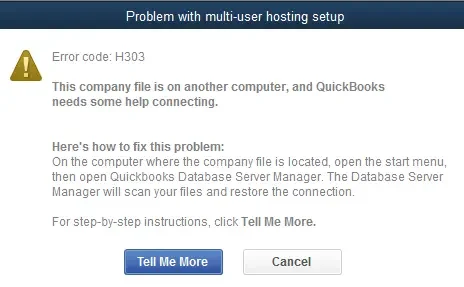
Many businesses first encounter Error H303 during migration workflows for example, after moving QuickBooks Desktop to a new server, enabling multi‑user mode, or updating firewall and network permissions. In these scenarios, the error prevents the migration utility from properly accessing the company file.
In office environments where multiple employees rely on simultaneous QuickBooks access, H303 can halt the migration process by blocking shared data. This means invoices, payroll records, vendor transactions, and accounting files cannot be synchronized or converted to QuickBooks Online or exported to Business Central.
Instead of being just a “network error,” H303 becomes a migration barrier:
- It disrupts the migration workflow by preventing stable access to the company file.
- It causes conversion failures, since migration utilities require single‑user mode and cannot proceed if the file is stuck in a failed multi‑user state.
- It exposes the limitations of Desktop’s server‑dependent architecture, which does not translate well to cloud environments.
- It often drives businesses to adopt cloud‑based or ERP systems, where multi‑user access is native and errors like H303 cannot occur.
QuickBooks Error H303 – Desktop vs Online
- Desktop Limitation: Error H303 is exclusive to QuickBooks Desktop because it arises in multi‑user hosting environments. Desktop relies on the Database Server Manager and proper network configuration. If a workstation tries to access a company file without correct hosting or firewall settings, H303 appears.
- Online Advantage: QuickBooks Online is cloud‑based and does not use local hosting or server manager. Therefore, H‑series errors (H101, H202, H303, H505) do not occur in QuickBooks Online. Instead, Online users may face browser‑related issues (cache, login errors, or connectivity drops), but not hosting conflicts.
Best Practices Before Migrating QuickBooks Company Files
To reduce the risk of QuickBooks Error H303 during migration:
- Backup the company file completely
- Disable hosting on all workstations before migration
- Verify firewall permissions beforehand
- Install Database Server Manager properly
- Re-scan company file folders after migration
- Test multi-user mode immediately after server relocation
QuickBooks Error H303 – Effect on Migration
When businesses attempt to migrate from QuickBooks Desktop to Online or ERP systems, Error H303 often emerges as a critical blocker.
Disruption of Migration Workflow
H303 prevents the migration tool from establishing a stable connection with the company file. As a result, invoices, payroll records, vendor transactions, and accounting data cannot be synchronized or exported. This stalls migration across departments until the error is resolved.
Conversion Failure
Migration utilities require the company file to be opened in single‑user mode. If H303 persists, the file remains locked in a failed multi‑user state, causing the conversion to halt or produce incomplete data. In some cases, corrupted ND files or blocked ports lead to partial transfers, resulting in unstable records in QuickBooks Online or ERP platforms.
Why QuickBooks Error H303 Appears After Server Migration?
Many businesses encounter Error H303 after moving QuickBooks to a new server or changing hosting environments. During migration, old hosting paths, firewall permissions, or database configurations may not transfer properly, preventing workstations from communicating with the newly hosted company file.
Common Migration Triggers
- Server name changes
- Incomplete Database Server Manager setup
- Old ND files pointing toward previous server locations
- Firewall rules resetting after migration
- Shared folder permissions changing unexpectedly
Major Causes of QuickBooks Error H303
Following are the major causes that trigger Quickbooks Error H303:
1. Incorrect Hosting Configuration
Improper hosting setup is one of the leading causes of Error H303.
Only one dedicated server should host the QuickBooks company file. If hosting is enabled on multiple systems:
- Network conflicts occur
- Workstations fail to identify the correct host
- Multi-user communication becomes unstable
Result
QuickBooks cannot establish a stable connection with the server-hosted company file.
2. Firewall or Antivirus Blocking QuickBooks Services
Security software frequently blocks QuickBooks communication ports and hosting services.
Commonly Blocked Processes:
- QBDBMgrN.exe
- QBW32.exe
- FileManagement.exe
- QuickBooks Database Server Manager
Result
Workstations fail to communicate properly with the hosting server.
3. Damaged ND File
The Network Descriptor (.ND) file stores server communication details required for QuickBooks networking.
If the ND File Becomes Corrupted:
- Workstations cannot locate the server
- Multi-user access fails
- Company file communication breaks
4. QuickBooks Database Server Manager Failure
QuickBooks Database Server Manager controls multi-user company file access.
If the Service Stops:
- Workstations disconnect from the server
- Hosting communication fails
- QuickBooks cannot switch into multi-user mode
5. DNS and Network Communication Failures
QuickBooks may fail to identify the hosting server properly if DNS settings become unstable.
Impact:
- Server name resolution fails
- Workstations cannot detect the host
- Multi-user synchronization becomes inconsistent
6. Weak or Unstable Network Connectivity
Interrupted network communication can trigger Error H303 repeatedly during:
- Multi-user access
- Company file synchronization
- Server communication
7. Windows Firewall or Security Update Conflicts
Some Windows updates modify:
- Firewall rules
- Network permissions
- Communication settings
This may interrupt QuickBooks server communication unexpectedly.
Symptoms of QuickBooks Error H303
Before the full error appears, users often notice:
- Inability to switch into multi-user mode
- Company file access failures
- QuickBooks freezing during file access
- Frequent workstation disconnections
- Slow server response
- Delayed company file loading
- Network communication interruptions
- Multi-user synchronization instability
Beginner-Level Solutions to Fix QuickBooks Error H303
Solution 1: Restart QuickBooks and Network Systems
Temporary communication failures may disappear after restarting systems.
Steps:
- Close QuickBooks completely on all systems
- Restart:
- Hosting server
- Workstations
- Router/modem
- Open QuickBooks on the server first
- Retry opening the company file
Why This Helps
It refreshes temporary network and database communication sessions.
Solution 2: Verify Hosting Settings
Incorrect hosting configuration is one of the biggest triggers of H303.
On Workstations:
- Open QuickBooks
- Go to File → Utilities
- If “Stop Hosting Multi-User Access” appears, click it
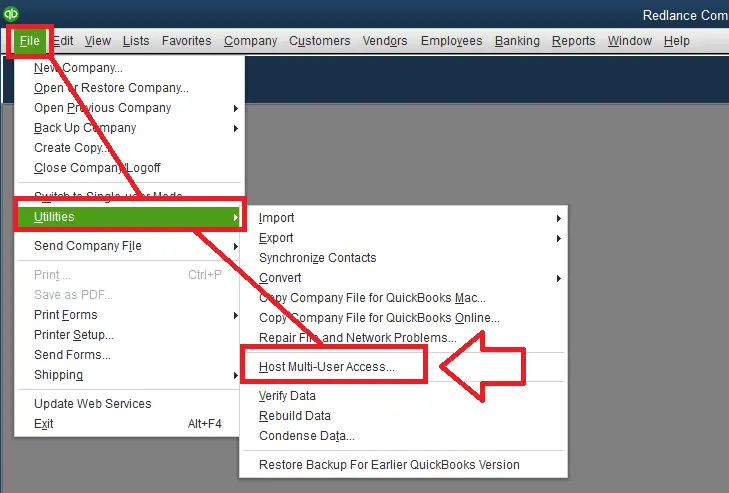
On Server:
- Open QuickBooks
- Go to File → Utilities
- Ensure “Host Multi-User Access” remains enabled
Why This Matters
Only the dedicated server should host the company file.
Solution 3: Update QuickBooks Desktop
Outdated QuickBooks versions may contain unresolved hosting and network bugs.
Steps:
- Open QuickBooks
- Go to Help → Update QuickBooks Desktop
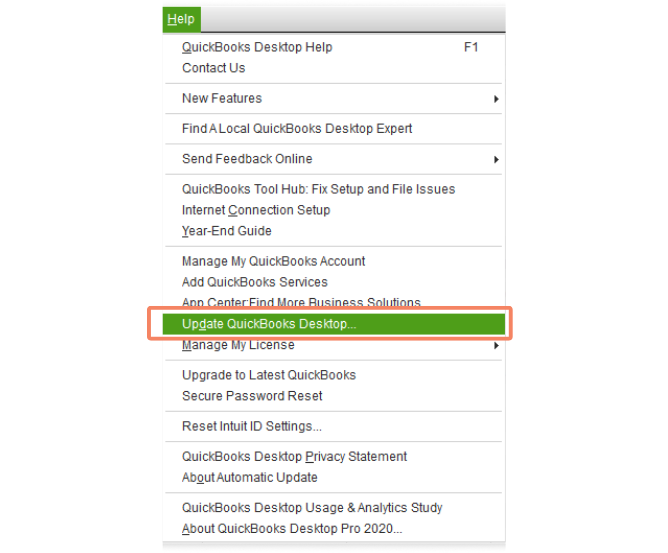
- Install updates
- Restart QuickBooks
Importance
Updates improve hosting communication and server compatibility.
Intermediate Solutions for Persistent Error H303
Solution 4: Rename the ND File
Damaged ND files are one of the leading causes of Error H303.
Steps:
- Open the company file folder
- Locate the .ND file
- Right-click → Rename
- Add “.OLD” at the end
Example:
- companyfile.qbw.nd → companyfile.qbw.nd.old
Why This Works
QuickBooks automatically creates a fresh ND file during the next scan.
Solution 5: Run QuickBooks Database Server Manager
QuickBooks Database Server Manager repairs hosting communication issues.
Steps:
- Download QuickBooks Tool Hub
- Open Network Issues
- Launch Database Server Manager
- Scan the company file folder
What It Repairs
- Hosting communication failures
- Server connection problems
- Multi-user synchronization issues
Solution 6: Run QuickBooks File Doctor
QuickBooks File Doctor repairs network and company file issues.
Steps:
- Open QuickBooks Tool Hub
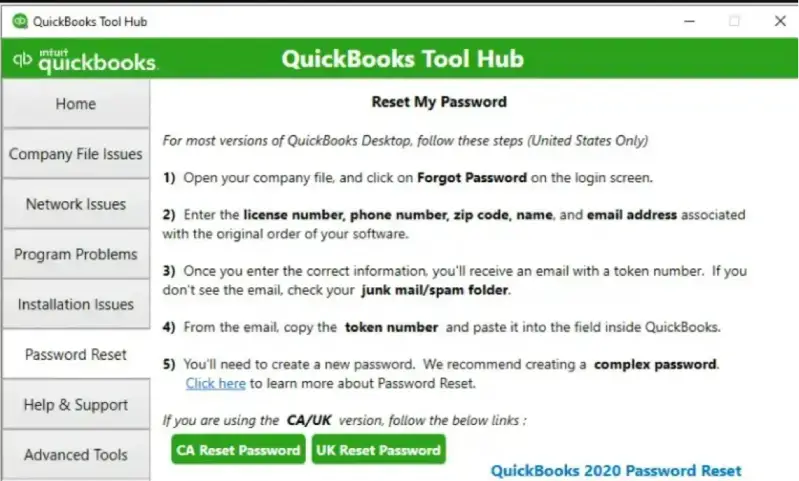
- Select Company File Issues
- Run QuickBooks File Doctor
- Scan the affected company file
What It Repairs
- Hosting conflicts
- Minor company file damage
- Network communication failures
- Database inconsistencies
Advanced Solutions for Recurring QuickBooks Error H303
Solution 7: Configure Firewall Exceptions
Allow These Files:
- QBDBMgrN.exe
- QBW32.exe
- FileManagement.exe
- QuickBooks Database Services
Also Open QuickBooks Ports
Blocked ports interrupt workstation-to-server communication.
Why This Helps
Firewall restrictions are one of the leading causes of Error H303.
Solution 8: Flush DNS and Reset Network Configuration
Steps:
- Open Command Prompt as Administrator
- Run:
- ipconfig /flushdns
- ipconfig /release
- ipconfig /renew
Advanced Benefit
Refreshes corrupted DNS and network routing paths.
Solution 9: Restart QuickBooks Database Services
Steps:
- Press Windows + R
- Type services.msc
- Locate:
- QuickBooksDBXX
- Restart the service
Why This Helps
Refreshes inactive database communication sessions.
Solution 10: Verify Folder Permissions
Improper folder permissions may block server communication.
Steps:
- Right-click the company file folder
- Select Properties → Security
- Grant:
- Full Control
- Read/Write permissions
- Save changes
Importance
Proper permissions are required for stable multi-user access.
Why Does QuickBooks Error H303 Keep Returning?
Common recurrence patterns are as follows:
- Hosting Enabled on Multiple Systems: Multiple hosting systems create repeated server conflicts.
- Antivirus Updates: Security software updates may suddenly block QuickBooks communication.
- Weak Wi-Fi Connectivity: Unstable network connections interrupt multi-user synchronization.
- Windows Firewall Changes: Windows updates may modify firewall and communication rules automatically.
- Damaged ND Files: Corrupted network descriptor files repeatedly interrupt server communication.
Preventive Measures Suggested
Below are the preventive measures recommended to reduce the chances of QuickBooks Error H303 and maintain stable multi-user communication services:
- Keep QuickBooks updated regularly
- Enable hosting only on the dedicated server
- Maintain stable wired network connectivity
- Keep firewall and antivirus exclusions updated
- Backup company files regularly
- Avoid unstable public or shared networks
- Monitor QuickBooks database services periodically
- Run Database Server Manager regularly
- Avoid forced system shutdowns
- Maintain proper folder permissions for all QuickBooks users
Conclusion
QuickBooks Error H303 is a serious multi-user communication issue usually triggered by hosting configuration conflicts, firewall restrictions, damaged ND files, unstable network connectivity, or QuickBooks Database Server Manager failures. Although basic fixes like restarting QuickBooks or refreshing network systems may temporarily resolve the issue, recurring H303 errors often point toward deeper hosting, DNS, firewall, or server communication problems.
The most effective way to resolve the issue permanently is to follow a layered troubleshooting strategy — beginning with basic hosting verification and progressing toward advanced firewall, DNS, database, and network diagnostics. Businesses relying heavily on QuickBooks multi-user environments should also focus on preventive maintenance to maintain stable and uninterrupted access to shared company files.
Frequently Asked Questions
Why does Error H303 appear after server migration?
Because old ND files, outdated firewall rules, or incomplete Database Server Manager setups often point to the wrong server path, preventing workstations from locating the newly hosted company file.
Can Error H303 block QuickBooks Desktop to Online migration?
Yes. Migration utilities require single‑user mode. If H303 locks the file in a failed multi‑user state, conversion halts or produces incomplete data.
Does QuickBooks Online face H‑series errors like H303?
No. H‑series errors are exclusive to Desktop because they rely on local hosting. Online users may face browser issues, but not server communication conflicts.
How do firewall updates trigger Error H303?
Windows or antivirus updates can reset firewall rules, blocking QuickBooks ports (e.g., QBDBMgrN.exe, QBW32.exe). This interrupts workstation‑to‑server communication.
What role does the ND file play in H303?
The ND file stores server communication details. If corrupted or outdated, workstations cannot locate the host, breaking multi‑user access.
Can weak Wi‑Fi cause recurring H303 errors?
Yes. Unstable wireless connections often disrupt synchronization, leading to repeated disconnections and failed multi‑user sessions.
Is enabling hosting on multiple systems a risk?
Absolutely. Only one dedicated server should host the company file. Multiple hosts create conflicts and unstable communication.
What preventive steps reduce H303 during migration?
Disable hosting on all workstations, verify firewall permissions, rescan company file folders, and test multi‑user mode immediately after relocation.